Dating Profile Tips That Get Matches (US 2026): The Complete Guide
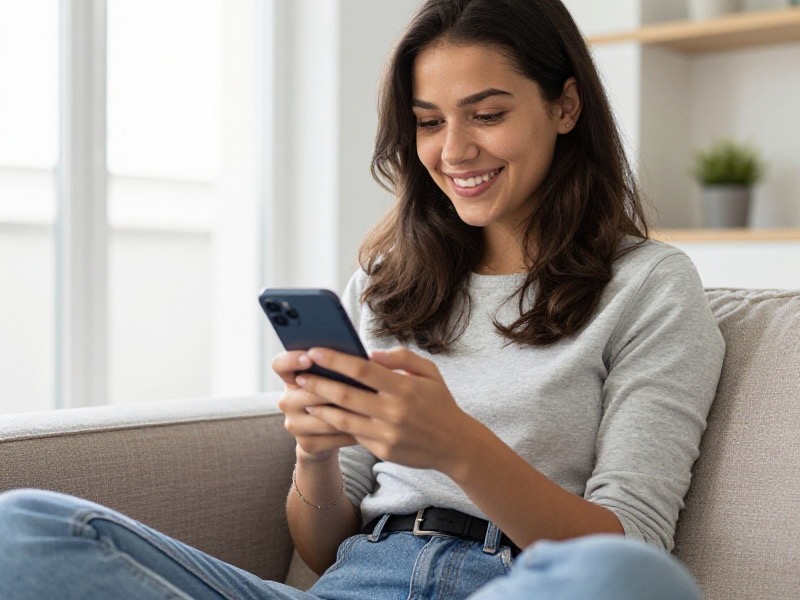
Why does your dating profile decide everything?
Your profile is the entire first impression, and US singles judge it fast. According to Pew Research Center (2023), 30% of American adults have used a dating app, and 53% of those under 30. A separate Hinge research note (2023) found users decide whether to engage in under four seconds. That is a brutal attention economy, and your profile is your only pitch.
This guide is built for US singles in 2026. We cover photo selection, bio writing, prompts, the mistakes that quietly kill your match rate, and why verified, honest profiles now outperform polished-but-fake ones. Every claim is tied to a named source so you can check it yourself. No filler, no recycled advice from a decade ago.
What photos actually get matches in 2026?
Photos do roughly 80% of the work on any dating app. Hinge internal data (2023) shows profiles with six photos and three completed prompts earn 40% more matches than minimal ones. Statista (2024) reports the US dating app market still tops 44 million users, so visual competition in every American city is intense.
The winning formula is variety. You want one clear face shot, one full-body photo, one social setting with friends, and one that shows a hobby or activity. This combination tells a stranger who you are in three seconds without a single word. A grid of near-identical selfies tells them nothing except that you own a front-facing camera.
Five rules for photos that convert
- Lead with a clear face shot. No sunglasses, no hat brim hiding your eyes, no group photo as the first image. OkCupid public research (2023) found face-forward photos with eye contact outperform looking-away shots by a wide margin.
- Skip heavy filters. Smoothing filters and dog-ear overlays read as hiding something. Real beats perfect in 2026, and verification culture has made authenticity a selling point.
- Use natural daylight. Shoot near a window or outside in the morning. Harsh indoor lighting wrecks skin tone and makes photos look dated.
- Smile with your eyes. Hinge (2023) reported genuine smiles lift like rates noticeably over neutral or moody expressions.
- Include one full-body photo. Leaving it out reads as concealment. A natural full-length shot builds trust before a single message.
Photos that quietly kill your match rate
Some images sink profiles instantly. Bathroom mirror selfies, car selfies, blurry group shots where nobody can tell which person is you, gym progress pics, and photos with an ex clumsily cropped out all signal low effort or evasiveness. Replace them. A single strong, well-lit photo beats five mediocre ones every time.
How do you write a bio that gets replies?
A good bio turns a swipe into a conversation. OkCupid research (2023) showed profiles with a completed bio receive significantly more first messages than blank ones, and Hinge (2023) found specific, detail-rich bios outperform generic ones across every age group. The ideal length sits around 50 to 150 words: enough to show personality, short enough to actually get read.
The biggest mistake is writing what everyone writes. "Love to travel, try new restaurants, and laugh." That describes 90% of America. It gives a stranger nothing to grab onto. Specificity is the entire game. Detail is what makes you a person instead of a category.
Three bio hooks that work
- Trade clichés for concrete details. Instead of "I love food," write "I will defend Texas brisket against any Carolina pulled pork take." A specific opinion invites a reply.
- Leave one door open. Drop a hook someone can ask about. "Ask me about the time I got lost hiking in Sedona" practically writes their first message for them.
- Add light self-awareness. One line of gentle humor about yourself signals confidence and warmth. Just one. A wall of jokes reads as a stand-up audition.
Prompts: the most underused tool
Apps like Hinge and Bumble use prompts, those fill-in-the-blank questions, and they are more powerful than a classic bio. The best answers run 10 to 25 words, stay specific, and open a topic. Weak answer: "Best travel story? Italy, the food was great." Strong answer: "Best travel story? Three days lost in rural Albania with no signal and the best olive oil of my life." The second one builds a picture and hands your match a conversation starter.
What mistakes kill matches the fastest?
Most failed profiles share the same handful of errors. Pew Research Center (2023) found 44% of online daters say it is hard to tell who is genuinely serious, which means anything that signals low effort or dishonesty gets filtered out immediately. Avoiding these mistakes often matters more than any clever trick.
The match-killer checklist
- An empty bio. A blank profile reads as a bot or a low-effort account. Fill it in.
- Negative lists. "Don't message me if you..." openers set a sour tone before you have said a single positive thing about yourself.
- Only group photos. If a stranger cannot identify you in three seconds, they swipe left.
- Listing your salary or job title for status. It attracts the wrong attention, including scammers, and signals insecurity. Mention industry if you must, skip the bragging.
- Outdated photos. Photos more than two years old set up an awkward first date. People notice, and they remember.
- Generic openers in chat. "Hey, how's it going?" is the most ignored message on every app. Reference something from their profile instead.
Why do verified, honest profiles win in 2026?
Verification is the quiet trend reshaping US dating. DataReportal Digital (2025) reports that trust and authenticity now rank among the top reasons Americans choose one dating platform over another. As AI-generated photos and fake profiles spread, a verified, honest profile stands out simply by being real.
Here is the counterintuitive part: the harder it gets to fake a profile, the more an honest profile is worth. When half the market is polishing and exaggerating, the person who shows up exactly as they are becomes the safe, attractive choice. Authenticity is no longer just ethical, it is a competitive advantage in a crowded American market.
From what we have observed across thousands of profiles, the accounts that lead with a clear face photo, a specific bio, and verified status consistently convert better than glossy, vague profiles. People are tired of catfishing and rapid-fire scams. They reward profiles that feel like a real human they could actually meet.
How verification changes the conversation
When both people know the profiles are real, the early conversation moves faster and feels safer. There is less guarding, less reverse-image-searching, less wondering whether the photos are even the right person. That trust head start is exactly why moderated platforms with built-in verification are gaining ground with US singles in 2026.
How does a moderated Telegram option fit in?
Telegram dating bots have emerged as a no-paywall alternative for US singles who want privacy and genuine matches. Statista (2024) and data.ai (2024) both track strong growth in messaging-based dating tools, partly because they skip the swipe fatigue and subscription walls of mainstream apps. The appeal is simple: real profiles, free chat, and a hidden phone number.
A bot like DateWiz runs inside Telegram and is built around the same principles this guide recommends. Profiles go through verification, so fake accounts are filtered out. You only start chatting after a mutual match, meaning both people already said yes, which kills the cold-message spam problem. And your phone number stays hidden by design, so a strong honest profile gets you better matches without sacrificing privacy.
It works best as a complement to mainstream apps, not a total replacement. If you have written a verified, specific, well-photographed profile, a moderated environment is exactly where that effort pays off. Setting up on DateWiz is free and takes only a few minutes, which makes it an easy place to test the profile tactics from this guide.
How do you audit and test your own profile?
Most US singles never test their profile, and it shows. Pew Research Center (2023) found that while roughly three in ten adults have used a dating app, only a small fraction feel confident their profile represents them well. A simple audit and A/B test can lift your match rate within two to three weeks, no premium subscription required.
The 8-point profile audit
- Does your first photo clearly show your face with eye contact?
- Do you have at least four varied photos: face, full body, social, hobby?
- Is your bio between 50 and 150 words?
- Does your bio include at least one specific, memorable detail?
- Have you removed every negative or list-of-demands line?
- Do your prompts open a conversation rather than close one?
- Are all photos from the last two years?
- Did you ask two honest friends to review it?
Run a simple A/B test
Borrow a trick from marketing. Pick two different lead photos. Run photo A for one week, photo B the next, and track likes and message quality. Then test two bios the same way. Change one variable at a time, or you will never know what worked. Within a month you will have real data on what gets you matches, tailored to you and your city, without paying a cent for premium.